Behavioral Data

Cognitive performance

_inquist-DigitSpanTask.tsv

Output of the Digit Span Backwards Task. The Digit Span Backwards Task is used to assess working memory capacity. The minimum length of digits is two (e.g. 93) and the maximum length is 14 (e.g. 31587296715295). Participants must complete a minimum of 2 and a maximum of 8 practice trials. The practice session ends and progresses to the test session once a correct response is given. Each test block contains two trials. If the participant correctly answers one trial in a block, the number of digits increases for the next block. If the participant cannot answer any trials correctly for a certain digit length, the task ends. For more information, see Woods, D. L., Kishiyama, M. M., Yund, E. W., Herron, T. J., Edwards, B., Poliva, O., … Reed, B. (2010). Improving digit span assessment of short-term verbal memory. Journal of Clinical and Experimental Neuropsychology, 33(1), 101–111.

English

In this task, you will see a sequence of digits, presented one at a time, in the center of the screen. The start and the end of the digit sequence are announced by a red circle. Immediately after the second red circle disappears, a response console is provided. Enter the digits in the reversed order. Example: if the sequence ‘7 4 5 1’ was presented, enter ‘1547’. For this task, you must remember the numbers in your head. Please do not write the numbers down or record them in any way to assist in your performance. This is an important rule of this test.

German

In dieser Aufgabe werden Sie in der Mitte des Bildschirms eine Reihe von Zahlen sehen, die nacheinander angezeigt werden. Der Beginn und das Ende der Zahlenfolge werden durch einen roten Kreis angezeigt. Sobald der zweite rote Kreis verschwindet, wird eine Antwortkonsole angezeigt. Geben Sie die Zahlen in umgekehrter Reihenfolge ein. Beispiel: Wenn die Sequenz ‘7 4 5 1’ präsentiert wird, geben Sie entsprechend ‘1547’ ein. Für diese Aufgabe müssen Sie sich die Zahlen im Kopf merken. Bitte schreiben Sie die Zahlen nicht auf oder notieren Sie sie in jeglicher Form, um Ihre Leistungen zu verbessern. Das ist eine wichtige Regel für diesen Test.

id

ID of the subject.

sessionNo

This is the session number.

timestamp

Timestamp of the data point displayed as date, time, and timezone in ISO 8601 format.

blockcode

Distinguishes between practice blocks (b_practiceblock) and task blocks (backward_block).

n

The number of digits in the sequence.

countTrials

The number of trials within the current block.

sequence

The sequence of digits shown to the participant.

correctSolution

The correct solution for the current trial.

proposedSolution

The participant’s solution for the current trial.

acc

Binary value indicating the accuracy of the participant’s response.

0 = Incorrect
1 = Correct
con_errorcount

Integer indicating the consecutive error count on the current level (i.e., if they are on level 7 and make an error, con_errorcount = 1 and if there is an error made in another level 7 trial, then con_errorcount = 2).

_brainscape-MemoryTask.tsv

This dataset contains the results of the Spatial Updating Task designed to assess participants’ ability to remember and manipulate numbers under time constraints. In each round of the game, participants are shown four single-digit numbers (ranging from 0 to 9) arranged in a 2x2 grid. These numbers are displayed briefly before being hidden.

After the initial display, a series of arithmetic operations (either addition or subtraction within the range of -8 to +8) is applied to one or more of these numbers. Participants must mentally perform these operations to update the numbers accordingly. Each number may be modified multiple times or not at all, depending on the sequence of operations provided.

Once all operations are completed, participants must recall and enter the final values for each of the four numbers in their original positions. Their responses are then compared to the correct final values to determine how many they recalled accurately. Each game session involves two separate rounds, with different sets of starting numbers and operations. The numbers in the variable names indicate the first and second round. For more information, see Schmiedek, F., Lövdén, M., & Lindenberger, U. (2010). Hundred days of cognitive training enhance broad cognitive abilities in adulthood: Findings from the COGITO study. Frontiers in Aging Neuroscience, 2, Article 27.

id

ID of the subject.

sessionNo

This is the session number.

timestamp

Timestamp of the data point displayed as date, time, and timezone in ISO 8601 format.

initial_numbers1/2

Initial numbers presented to the participant.

operation_positions1/2

Fields where the operations will be applied to.

operations1/2

Operations (addition or subtraction).

correct_answers1/2

Correct final numbers after all operations are applied.

participant_answers1/2

Participant’s answers.

memoryscore1/2

Number of correct responses.

Self-reported psychological state/perceived environment

_unipark-PerceivedEnvironment.tsv

Output of the online questionnaire, which participants answer before MRI acquisition. They rate their exposure to various environmental elements (e.g., parks, forests, water) and environmental stressors (e.g., loudness, air pollution, traffic) over the past 24 hours. Additionally, they assess their level of annoyance caused by these factors.

id

ID of the subject.

sessionNo

Extended ID of the subject in which the last two digits indicate the session number.

timestamp

Timestamp of the data point displayed as date, time, and timezone in ISO 8601 format.

Note

The following variables have two response fields (_slider and _notAtAll): parks, forests, sky, water, indoor_built_environments, outdoor_built_environments, exposure_selfInduced_loudness, exposed_external_loudness, exposure_airPollution, exposure_badSmells, exposure_stickyAir, exposure_goodSmells, exposure_traffic, exposure_publicTransport, exposure_crowding, exposure_dirt, exposure_daylight, exposure_artificialLight, and exposure_heating_ventilation (i.e., parks output is stored at both parks_slider and parks_notAtAll).

Similarly, the following variables have two response fields (_slider and _NotExposed): NoiseCancelling, annoyed_selfInduced_loudness, annoyed_externalLoudness, annoyed_airPollution, annoyed_badSmells, annoyed_stuffyAir, annoyed_traffic, annoyed_publicTransport, annoyed_crowding, annoyed_dirt, annoyed_daylight, annoyed_artificialLight, and annoyed_heating_ventilation (i.e., NoiseCancelling output is stored at both NoiseCancelling_slider and NoiseCancelling_NotExposed).

Responses to _slider were reported on a continuous visual analogue scale from 0-100 and _notAtAll and _NotExposed were check boxes recorded in binary (0/1) format.

English

When responding to the following items, please take the middle of the scale to indicate your very regular/normal/typical day, and basically report whether the last 24 hours were an exception to this and to what extent and into which direction the last 24 hours were different from your normal day.

_slider _notAtAll or _NotExposed
0 = Less than usual 0 = not quoted
100 = More than usual 1 = quoted
German

Wenn Sie die folgenden Fragen beantworten, verstehen Sie die Mitte der Skala als ihren durchschnittlichen/typischen Tag und geben Sie dann mittels des Reglers an, ob in den letzten 24 Stunden eine Abweichung zu diesem Durchschnitt stattgefunden hat und in welchem Ausmaß und in welche Richtung diese war.

_slider _notAtAll or _NotExposed
0 = weniger als üblich 0 = not quoted
100 = mehr als üblich 1 = quoted


Variable name English items German items
I have been in/seen… Ich war in…/Ich habe … gesehen.
parks Park Parks
forests Forests Wäldern
sky Sky Himmel
water Water Wasser
indoor_built_environments Indoor built environments (like private houses, shopping malls, museums, work institutions) In Innenräumen gebaute Umgebungen (wie private Häuser, Einkaufszentren, Arbeitsumgebungen)
outdoor_built_environments Outdoor built environments (like streets, playgrounds, open air cinema etc.) Im Freien gebaute Umgebungen (wie Straßen, Spielplätze, Freiluft-Kino etc.)
I have been exposed to… Ich war … ausgesetzt.
exposure_selfInduced_loudness Self-induced loudness/noise (like TV, coffee machine, vacuum cleaner, music) Selbst-verursachter/m Lautstärke/Lärm (wie Fernseher, Kaffeemaschine, Staubsauger, Musik etc.)
exposed_external_loudness Externally caused loudness/noise Von anderen verursachte/r Lautstärke/Lärm
noiseCancelling If you have been exposed to loudness/noise: How much of the exposure time have you cancelled the loudness/noise out with headphones? Wenn Sie Lautstärke/Lärm ausgesetzt waren: Wie viel der Zeit, in der Sie dem ausgesetzt waren, haben Sie die Lautstärke/den Lärm mit Kopfhörern abgeschirmt?
exposure_airPollution Air pollution Luftverschmutzung
exposure_badSmells Stink/bad smells Gestank/schlechten Gerüchen
exposure_stickyAir Stuffy/sticky air stickiger/schwüler Luft
exposure_goodSmells Good smells Guten Gerüchen
exposure_traffic Traffic Verkehr
exposure_publicTransport Public transport Öffentlichem Nahverkehr
exposure_crowding Crowding Menschenmengen
exposure_dirt Dirt/Untidiness Dreck/Unordnung
exposure_daylight Daylight Tageslicht
exposure_artificialLight Artificial light Künstlichem Licht
exposure_heating_ventilation Heating/ventilation/air conditioning Heizung/ Lüftung/Klimaanlage
I have been annoyed by… Mich hat/haben … genervt.
annoyed_selfInduced_loudness Self-induced loudness/noise (like TV, coffee machine, vacuum cleaner, music) Selbst-verursachter/m Lautstärke/Lärm (wie Fernseher, Kaffeemaschine, Staubsauger, Musik etc.)
annoyed_externalLoudness Externally caused loudness/noise Von anderen verursachte/r Lautstärke/Lärm
annoyed_airPollution Air pollution Luftverschmutzung
annoyed_badSmells Stink/bad smells Gestank/schlechten Gerüchen
annoyed_stuffyAir Stuffy/sticky air stickiger/schwüler Luft
annoyed_traffic Traffic Verkehr
annoyed_publicTransport Public transport Öffentlichem Nahverkehr
annoyed_crowding Crowding Menschenmengen
annoyed_dirt Dirt/Untidiness Dreck/Unordnung
annoyed_daylight Daylight Tageslicht
annoyed_artificialLight Artificial light Künstlichem Licht
annoyed_heating_ventilation Heating/ventilation/air conditioning Heizung/ Lüftung/Klimaanlage
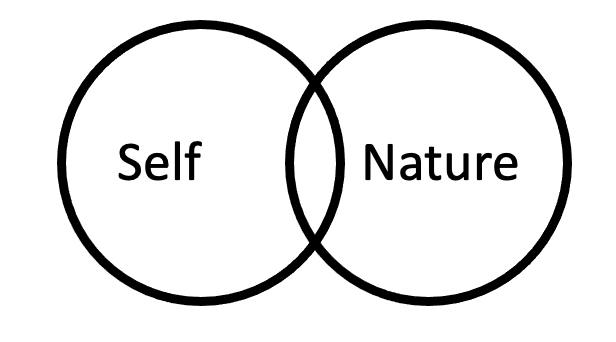
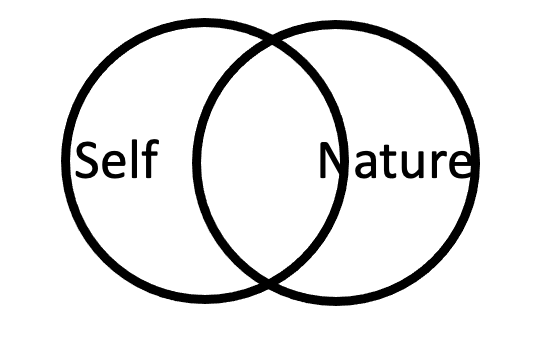
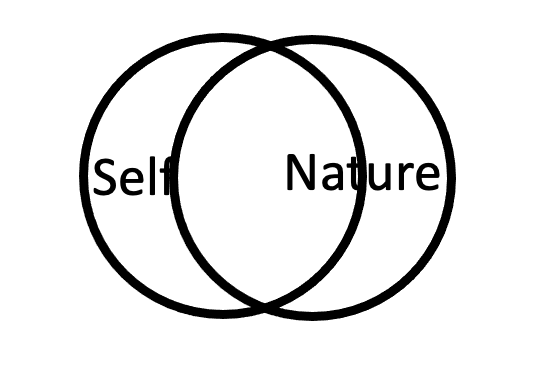
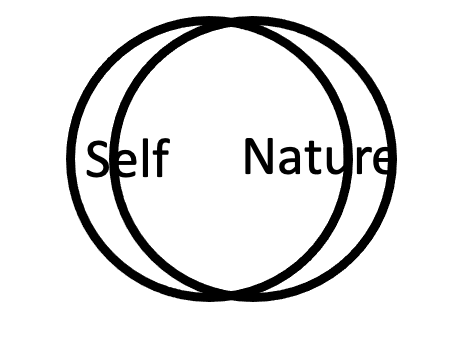
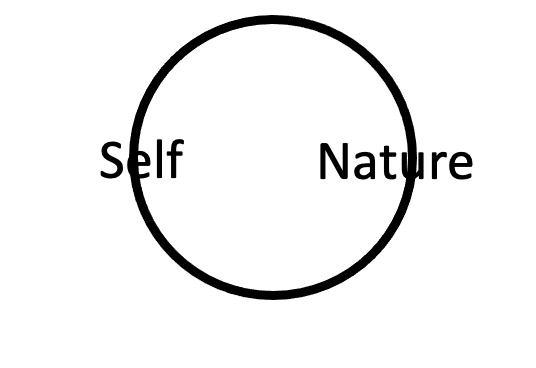
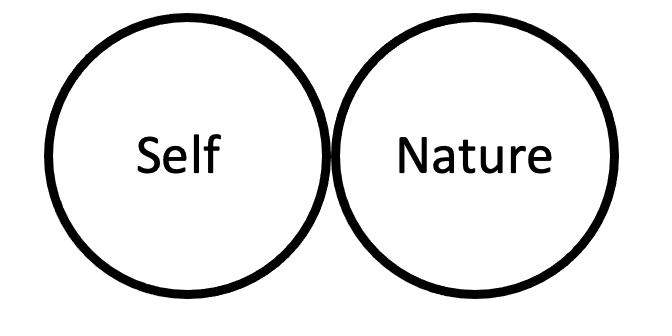
ConnectednessNature_diagram
English

How interconnected have you felt with nature?

German

Wie verbunden haben Sie sich mit der Natur gefühlt?

1 =
2 =
3 =
4 =
5 =
6 =
Note
For connectedness_builtEnvironments_slider, feelingSafe_surroundings_slider, and ventilation_slider, responses were reported on a continuous visual analogue scale from 0-100.
English German
0 = Less than usual 0 = not quoted
100 = More than usual 100 = quoted
connectedness_builtEnvironments_slider
English

I have felt connected to man-made/built environments.

German

Ich habe mich verbunden mit menschengemachten Umwelten gefühlt.

feelingSafe_surroundings_slider
English

I have felt safe in my surroundings.

German

Ich habe mich sicher in meiner Umgebung gefühlt.

ventilation_slider
English

I have let air into my rooms/I have aired, ventilated.

German

Ich habe gelüftet.

_unipark-EmotionalRecallTask.tsv

Results of an abridged version of the Emotional Recall Task. For more information, see Li, Y., Masitah, A., & Hills, T.T. (2020). The Emotional Recall Task: Juxtaposing Recall and Recognition-Based Affect Scales. Journal of Experimental Psychology: Learning, Memory, and Cognition, 46(9), 1782-1784.

id

ID of the subject.

sessionNo

Extended ID of the subject in which the last two digits indicate the session number.

timestamp

Timestamp of the data point displayed as date, time, and timezone in ISO 8601 format.

emotional_recall_1/2/3/4/5

Each of the 5 free text responses to the emotional recall question.

English

Please use 5 English words to describe feelings you have experienced during the past 24h

German

Bitte nutzen Sie 5 deutsche Wörter, um die Gefühle zu beschreiben, die Sie in den letzten 24 Stunden erlebt haben

Note

For extent_emotion_, pleasantness_emotion_, and calmness_emotion_, responses correspond to the free text responses of emotional recall (i.e., extent_emotion_1 corresponds to emotional_recall_1 and so on).

extent_emotion_1/2/3/4/5

Responses were given on a continuous visual analogue scale from 0-100.

English

Use the slider bar to indicate how often you have experienced each of these feelings during the past 24h

0 = Not at all
100 = Completely
German

Nutzen Sie den Schieberegler um anzugeben wie oft Sie jedes dieser Gefühle in den letzten 24 Stunden erlebt haben

0 = überhaupt nicht
100 = permanent
pleasantness_emotion_1/2/3/4/5

Responses were given on a continuous visual analogue scale from 1-9.

English

Please evaluate each of the 5 feelings on the unpleasant-pleasant scale. At the left extreme of this scale, you felt unhappy, annoyed, unsatisfied, melancholic, despaired, or bored. The right end of the scale is if you were happy, pleased, satisfied, contented, hopeful. If the feeling was completely neutral, neither happy nor sad, move the slide bar to the middle.

1 = unpleasant
9 = pleasant
German

Bitte bewerten Sie alle 5 Gefühle auf der unangenehm-angenehm Skala. Das linke Ende der Skala ist für den Falle, dass Sie sich unglücklich, genervt, unbefriedigt,melancholisch, verzweifelt, oder gelangweilt gefühlt haben. Das rechte Ende der Skala stehtdafür, dass Sie sich glücklich, angenehm, befriedigt, zufrieden oder hoffnungsvoll gefühlthaben. Wenn das Gefühl komplett neutral war, weder glücklich noch traurig, bewegen Sie den Reglerin die Mitte der Skala.

1 = unangenehm
9 = angenehm
calmness_emotion_1/2/3/4/5

Responses were given on a continuous visual analogue scale from 1-9.

English

Please evaluate each of the 5 feelings you have reported on the calm-excited scale. At the left extreme of this scale, you were relaxed, calm, sluggish, dull, sleepy, and unaroused. The right end of the scale is if you felt stimulated, excited, frenzied, jittery, wide-awake, and aroused. If the feeling was an intermediate level of calmness and excited, move the slide bar to the middle.

1 = calm
9 = excited
German

Bitte schätzen Sie alle 5 Gefühle, die Sie angegeben haben auf der ruhig-angeregt Skala ein. Das linke Ende der Skala steht für enstpannt, ruhig, träge, matt, schläfrig oder unaufgeregt. Das rechte Ende sollte gewählt werden, wenn Sie sich stimuliert, aufgeregt, nervös, hellwach oder erregt gefühlt haben. Wenn das Gefühl sich in der Mitte zwischen Ruhe und Anregung befand, bewegen Sie den Regler zur Mitte.

1 = ruhig
9 = angeregt

_unipark-StemmlerQuestionnaire.tsv

Based on a self-report of emotion in Stemmler, G., Heldmann, M., Pauls, C.A., & Scherer, T. (2001). Constraints for emotion specificity in fear and anger: The context counts. Psychophysiology, 38, 275-291.

id

ID of the subject.

sessionNo

Extended ID of the subject in which the last two digits indicate the session number.

timestamp

Timestamp of the data point displayed as date, time, and timezone in ISO 8601 format.

Note

For momentarySensation_embarrassment, momentarySensation_frightened, momentarySensation_sad, momentarySensation_happy, momentarySensation_angry, and momentarySensation_poundingHeart, responses were reported on a unipolar scale ranging from 1 to 11.

English

Please describe your momentary sensation by the help of the given words. Please mark, how intensively you are experiencing this sensation right now! The stronger the sensation, the higher the number.

1 = Not applicable
11 = Completely applicable
German

Bitte beschreiben Sie ihr momentanes Empfinden mithilfe der gegeben Worte. Bitte geben Sie an, wie intensiv Sie dieses Gefühl gerade empfinden! Umso stärker die Empfindung, desto höher die Zahl.

1 = nicht zutreffend
11 = komplett zutreffend
momentarySensation_embarrassment
English

Embarrassed, ridiculed, ashamed, foolish

German

verlegen, lächerlich, beschämt, töricht

momentarySensation_frightened
English

Frightened, timid, afraid, scared

German

verängstigt, scheu, besorgt, verschreckt

momentarySensation_sad
English

Sad, depressed, miserable, dejected

German

traurig, deprimiert, miserabel, bedrückt

momentarySensation_happy
English

Happy, gay, cheerful, delighted

German

glücklich, heiter, aufgekratzt, erfreut

momentarySensation_angry
English

Angry, annoyed, mad, sore

German

wütend, genervt, sauer, wund

momentarySensation_poundingHeart
English

Pounding heart

German

Herzklopfen

Note

For momentaryState_nervous, momentarySensation_energetic, momentarySensation_positive, momentarySensation_alert, and momentarySensation_curious, responses were reported on a bipolar scale from -5 to 5. Note that in the output file, responses are coded on a scale of 1 to 11, with -5 corresponding to 1, 0 to 6, and 5 to 11.

English

Please describe your momentary state by the help of the given words at the left and right side of the scales. Please mark the position which corresponds most to your state.

German

Bitte beschreiben Sie ihr momentanes Empfinden mithilfe der gegebenWorte am linken und rechten Ende der Skala. Bitte markieren Sie die Position, die am meisten Ihrem Zustandentspricht.

momentaryState_nervous
English
1 = Nervous, restless, tense, wound up (left)
11 = Calm, relaxed, placid, at ease (right)
German
1 = Nervös, unruhig, angespannt, aufgezogen (links)
11 = ruhig, entspannt, gelassen (rechts)
momentarySensation_energetic
English
1 = Energetic, active, animated, lively (left)
11 = Tired, fatigued, sluggish, exhausted (right)
German
1 = energetisch, aktiv, angeregt, lebhaft (links)
11 = müde, schläfrig, träge, erschöpft (rechts)
momentarySensation_positive
English
1 = Positive, pleasant (left)
11 = Negative, unpleasant (right)
German
1 = positiv, angenehm (links)
11 = negativ, unangenehm (rechts)
momentarySensation_alert
English
1 = Alert, attentive, receptive, lucid (left)
11 = Confused, baffled, perplexed (right)
German
1 = alarmiert, aufmerksam, aufnahmebereit, bei klarem Verstand (links)
11 = verwirrt, ratlos, perplex (rechts)
momentarySensation_curious
English
1 = Curious, interested, motivated (left)
11 = Bored, indifferent, dull (right)
German
1 = neugierig, interessiert, motiviert (links)
11 = gelangweilt, gleichgültig, matt (rechts)

_brainscape-Questionnaire.tsv

Output of the BrainScape questionnaire. Participants receive seven to eight prompts on random occasions during the pre-scan period from the BrainScape app. These prompts involve momentary assessments, including queries about stress, mood, rumination, and subjective perceptions of their current environment.

id

ID of the subject.

sessionNo

This is the session number.

timestamp

Timestamp of the data point displayed as date, time, and timezone in ISO 8601 format.

Note

sleep1/2/3/4/5 is only part of the first BrainScape questionnaire per day.

sleep1
English

What time did you go to bed last night?

German

Wann sind Sie gestern zu Bett gegangen?


Time response

sleep2
English

How long did it take you to fall asleep?

German

Wie lange hat es gedauert, bis Sie eingeschlafen sind?


Time response

sleep3
English

What time did you wake up this morning?

German

Wann sind Sie heute Morgen aufgewacht?


Time response

sleep4
English

Did you sleep through the night?

1 = yes
2 = no
German

Haben Sie durchgeschlafen?

1 = ja
2 = nein
sleep5

Responses were given on a continuous visual analogue scale from 0-100.

English

How was the quality of your sleep?

0 = not restful
100 = restful
German

Wie war Ihre Schlafqualität insgesamt?

0 = unerholsam
100 = erholsam
inside_outside
English

Are you currently inside or outside?

1 = inside
2 = outside
German

Sind Sie aktuell drinnen oder draußen?

1 = drinnen
2 = draußen
outside_where
English

Where exactly are you outside?

1 = in an urban environment, e.g. on a street, near/surrounded by buildings
2 = in a natural environment, e.g. in a park, forest
3 = in a vehicle (train/bus/car)
4 = can’t tell
German

Wo genau sind Sie draußen?

1 = in einem urbanen Umfeld, z.B. an einer Straße, in der Nähe von/umgeben von Gebäuden
2 = in einem natürlichen Umfeld, z.B. im Park, Wald
3 = in einem Fahrzeug (Zug/Bus/Auto)
4 = kann ich nicht sagen
inside_where
English

Where exactly are you inside?

1 = at home
2 = at work
3 = in a public building, e.g. store, train station, event venue, hotel
4 = at the homes of friends/family members/other people
5 = can’t tell
German

Wo genau sind Sie drinnen?

1 = zu Hause
2 = bei der Arbeit
3 = in einem öffentlichen Gebäude, z.B. Laden, Bahnhof, Veranstaltungsgebäude, Hotel
4 = bei Freunden/Familie/anderen Leuten zu Hause
5 = kann ich nicht sagen
outsidebefore
English

Have you been outside in the last three hours?

1 = yes
2 = no
German

Waren Sie in den letzten drei Stunden draußen?

1 = ja
2 = nein
Note

For control, pain, health, and stress, responses were given on a continuous visual analogue scale from 0-100.

control
English

Do you feel able to influence by yourself what is happening right now in your life?

0 = Don’t agree at all
100 = Agree completely
German

Haben Sie das Gefühl, das, was in Ihrem Leben gerade jetzt passiert, selbst beeinflussen zu können?

0 = Stimme überhaupt nicht zu
100 = Stimme voll und ganz zu
pain
English

Do you suffer pain or physical discomfort right now?

0 = very slightly or not at all
100 = very severe
German

Haben Sie gerade Schmerzen oder körperliche Beschwerden?

0 = gar keine
100 = sehr starke
health
English

How would you assess your health at this moment?

0 = very poor
100 = very good
German

Wie würden Sie in diesem Moment Ihren Gesundheitszustand einschätzen?

0 = sehr schlecht
100 = sehr gut
stress
English

How stressed are you right now?

0 = very slightly or not at all
100 = very severe
German

Wie gestresst fühlen Sie sich gerade?

0 = nicht so sehr
100 = sehr
activity
English

Now we want to ask you about your current activities. Which activity have you just pursued?

1 = social activities
2 = physical activities
3 = domestic activities
4 = mental activities
5 = self-care and health-related activities
6 = productive activities
7 = leisure time activities
German

Nun wollen wir Sie zu Ihren derzeitigen Aktivitäten befragen. Welcher Aktivität sind Sie gerade nachgegangen?

1 = soziale Aktivitäten
2 = körperliche Aktivitäten
3 = häusliche Aktivitäten
4 = mentale Aktivitäten
5 = Selbstfürsorge und gesundheitsbezogene Aktivitäten
6 = produktive Tätigkeiten
7 = Freizeitaktivitäten
activity_home
English

Did you pursue this activity at home?

1 = yes
2 = no
German

Haben Sie die Aktivität zuhause ausgeführt?

1 = ja
2 = nein
activity_alone
English

Did you pursue this activity together with someone else?

1 = yes
2 = no
German

Haben Sie die Aktivität mit jemand anderem gemeinsam ausgeführt?

1 = ja
2 = nein
Note

For rum1, rum2, rum3, paranoia1, paranoia2, paranoia3, visenv, airquality and noise responses were given on a continuous visual analogue scale from 0-100.

English German
0 = not at all 0 = gar nicht
100 = very much 100 = sehr
rum1
English

I can’t get certain thoughts out of my head right now.

German

Ich kann gerade bestimmte Gedanken nicht aus meinem Kopf bekommen.

rum2
English

I was just thinking about something over and over again.

German

Ich habe gerade über etwas immer und immer wieder nachgedacht.

rum3
English

I was just having trouble suppressing thoughts about myself.

German

Ich hatte gerade Schwierigkeiten Gedanken über mich selbst zu unterdrücken.

paranoia1
English

I have to be careful around others.

German

Ich muss mich vor anderen in Acht nehmen.

paranoia2
English

People try to unsettle me.

German

Leute versuchen mich aus der Fassung zu bringen.

paranoia3
English

Strangers and friends look at me critically.

German

Fremde und Freunde schauen mich kritisch an.

subage
English

Many people feel younger or older than they actually are. This feeling younger or older may well fluctuate from day to day or even within a day. How old do you feel at this moment? (Please in years)

German

Viele Menschen fühlen sich jünger oder älter als sie tatsächlich sind. Dieses Sich-Jünger oder Sich-Älter-Fühlen kann durchaus auch von Tag zu Tag oder sogar innerhalb eines Tages schwanken. Wie alt fühlen Sie sich in diesem Moment? (Bitte in Jahren)


Integer response

visenv
English

I am satisfied with the visible environment that surrounds me right now.

German

Ich bin zufrieden mit der sichtbaren Umgebung, die mich gerade umgibt.

airquality
English

I am satisfied with the air quality that surrounds me right now.

German

Ich bin zufrieden mit der Qualität der Luft, die mich gerade umgibt.

noise
English

I am satisfied with the soundscape that surrounds me right now.

German

Ich bin zufrieden mit der Geräuschkulisse, die mich gerade umgibt.

drink_water
English

How much water (with and without carbonation) have you consumed since answering the previous questionnaire (in milliliters)?

German

Wie viel Wasser (mit und ohne Kohlensäure) haben Sie seit der Beantwortung des letzten Fragebogens getrunken (in Millilitern)?

Integer response

drink_soft
English

How much soft drinks (soda, cola, juice, fruit punch, etc.) have you consumed since answering the previous questionnaire (in milliliters)?

German

Wie viel Softgetränke (Limonade, Kola, Saft, Saftschorle, …) haben Sie seit der Beantwortung des letzten Fragebogens getrunken (in Millilitern)?

Integer response

drink_coffein
English

How much stimulant drinks (coffee, energy drinks, tea, cocoa) have you consumed since answering the previous questionnaire (in milliliters)? For reference - a cup of coffee is approximately 120 ml.

German

Wie viel stimulierende Getränke (Kaffee, Energy Drinks, Tee, Kakao) haben Sie seit der Beantwortung des letzten Fragebogens getrunken (in Millilitern)? Zur Orientierung - eine Tasse Kaffee sind ca. 120 ml.

Integer response

drink_alcohol
English

How much alcohol have you consumed since answering the previous questionnaire (in milliliters)? For reference - a glass of wine is approximately 200 ml.

German

Wie viel Alkohol habe Sie seit der Beantwortung des letzten Fragebogens getrunken (in Millilitern)? Zur Orientierung - ein Glas Wein sind ca. 200 ml.

Integer response

_brainscape-PANAS.tsv

Results of positive and negative affect measures. These items are part of the BrainScape questionnaire.

Note

Responses were given on a continuous visual analogue scale from 0-100.

English German
0 = very slightly or not at all 0 = gar nicht
100=extremely 100 = sehr
id

ID of the subject.

sessionNo

This is the session number.

timestamp

Timestamp of the data point displayed as date, time, and timezone in ISO 8601 format

happy
English

How do you feel right now? How happy are you right now?

German

Wie fühlen Sie sich jetzt in diesem Moment? Wie glücklich sind Sie gerade?

relax
English

How relaxed are you right now?

German

Wie entspannt sind Sie gerade?

sad
English

How sad are you right now?

German

Wie traurig sind Sie gerade?

interested
English

How interested are you right now?

German

Wie interessiert sind Sie gerade?

worried
English

How worried are you right now?

German

Wie besorgt sind Sie gerade?

satisfied
English

How satisfied are you right now?

German

Wie zufrieden sind Sie gerade?

floppy
English

How floppy are you right now?

German

Wie schlapp sind Sie gerade?

balanced
English

How balanced are you right now?

German

Wie ausgeglichen sind Sie gerade?

frustrated
English

How frustrated are you right now?

German

Wie frustriert sind Sie gerade?

stimulated
English

How stimulated are you right now?

German

Wie angeregt sind Sie gerade?

nervous
English

How nervous are you right now?

German

Wie nervös sind Sie gerade?

rested
English

How rested are you right now?

German

Wie ausgeruht sind Sie gerade?

twitchy
English

How twitchy are you right now?

German

Wie unruhig sind Sie gerade?

angry
English

How angry are you right now?

German

Wie verärgert sind Sie gerade?

_brainscape-Loneliness.tsv

Momentary assessment of loneliness. Some (but not all) questions are derived from the UCLA Loneliness Scale: Hughes ME, Waite LJ, Hawkley LC, Cacioppo JT. A Short Scale for Measuring Loneliness in Large Surveys: Results From Two Population-Based Studies. Res Aging. 2004;26(6):655-672. doi: 10.1177/0164027504268574. Participants answer these items as part of the BrainScape questionnaire.

id

This is the ID of the subject.

sessionNo

This is the session number.

timestamp

Timestamp of the data point displayed as date, time, and timezone in ISO 8601 format.

Note

ucla_lonely_1, ucla_lonely_2, ucla_lonely_3 and ucla_lonely_4 are derived from the UCLA Loneliness Scale. Responses were given on a continuous visual analogue scale from 0-100.

English German
0 = very slightly or not at all 0 = gar nicht
100=extremely 100 = sehr
ucla_lonely_1
English

I feel lonely.

German

Ich fühle mich einsam.

ucla_lonely_2
English

I feel left out.

German

Ich fühle mich ausgegrenzt.

ucla_lonely_3
English

I have no one to turn to.

German

Ich habe niemanden, an den ich mich wenden kann.

ucla_lonely_4
English

I feel isolated from the others.

German

Ich fühle mich von anderen isoliert.

alone
English

Are you alone or with someone/in company right now?

1 = alone
2 = with someone/in company
German

Sind Sie gerade alleine oder mit jemandem zusammen/in Gesellschaft?

1 = allein
2 = mit jemandem zusammen/in Gesellschaft
prefer_others
English

Right now I would prefer to be with other people.

0 = Not at all
100 = Very much
German

Im Moment wäre ich lieber mit anderen Menschen zusammen.

0 = Gar nicht
100 = Sehr
online
English

Are you currently with someone in person or with someone virtually (e.g. online or via phone)?

1 = In person
2 = Virtually
German

Sind Sie gerade persönlich oder virtuell (z.B. online oder per Telefon) mit jemandem zusammen?

1 = In Person
2 = Virtuell
nearby_people_crowding
English

Round about how many people are there in your current immediate environment?

German

German

Ungefähr wie viele Menschen (für Sie sichtbar) befinden sich in Ihrer momentanen Umgebung?

Integer response

interacting
English

We are interacting together.

0 = Not at all
100 = Very much
German

Wir interagieren miteinander.

0 = Gar nicht
100 = Sehr
feel_close
English

I feel close to this person (these people).

0 = Not at all
100 = Very much
German

Ich fühle mich dieser Person (diesen Personen) nahe.

0 = Gar nicht
100 = Sehr
prefer_alone
English

Right now I would prefer to be alone.

0 = Not at all
100 = Very much
German

Im Moment wäre ich lieber allein.

0 = Gar nicht
100 = Sehr
soli
English

How much do you feel that you want time for yourself, or -if given- enjoy this time for yourself?

0 = Don’t agree at all
100 = Agree completely
German

Wie sehr haben Sie das Gefühl, dass Sie Zeit für sich haben wollen bzw. -wenn gegeben- Sie diese Zeit für sich genießen?

0 = Stimme überhaupt nicht zu
100 = Stimme voll und ganz zu

_unipark-BFI2XS.tsv

Output of the extra-short form of the Big Five Inventory-2 (BFI-2-XS), which participants answered once at the beginning of the study. For more information see Soto, C. J., & John, O. P. (2017). Short and extra-short forms of the Big Five Inventory–2: The BFI-2-S and BFI-2-XS. Journal of Research in Personality, 68, 69-81.

id

ID of the subject.

timestamp

Timestamp of the subjects’s questionnaire completion. Displayed as date, time, and timezone in ISO 8601 format.

Note

The items were introduced with the following:

English

Here are a number of characteristics that may or may not apply to you. For example, do you agree that you are someone who likes to spend time with others? Please indicate the extent to which you agree or disagree with that statement.

German

Hier sind einige Eigenschaften, die auf eventuell zutreffen oder nicht zutreffen. Beispielsweise, empfinden Sie sich als jemand, der gern Zeit mit anderen verbring? Bitte geben Sie an in welchem Umfang Sie den angegebenen Aussagen zustimmen.

Responses were given on a 5-point Likert Scale:

English German
1 = Disagree strongly 1 = Stimme nicht zu
2 = Disagree a little 2 = Stimme kaum zu
3 = Neutral; no opinion 3 = weder noch/keine Meinung
4 = Agree a little 4 = Stimme etwas zu
5 = Agree strongly 5 = Stimme zu
bfi-2-xs-i1
English

Tends to be quiet.

German

dazu neigt, leise zu sein.

bfi-2-xs-i2
English

Is compassionate, has a soft heart.

German

mitfühlend ist/ein weiches Herz hat.

bfi-2-xs-i3
English

Tends to be disorganized.

German

dazu neigt, unorganisiert zu sein.

bfi-2-xs-i4
English

Worries a lot.

German

sich viele Sorgen macht.

bfi-2-xs-i5
English

Is fascinated by art, music, or literature.

German

von Kunst, Musik und Literatur begeistert ist.

bfi-2-xs-i6
English

Is dominant, acts as a leader.

German

dominant/Anführer ist.

bfi-2-xs-i7
English

Is sometimes rude to others.

German

manchmal unfreundlich/grob zu anderen ist.

bfi-2-xs-i8
English

Has difficulty getting started on tasks.

German

Schwierigkeiten hat, Aufgaben zu beginnen.

bfi-2-xs-i9
English

Tends to feel depressed, blue.

German

dazu neigt, sich deprimiert/trübsinnig zu fühlen.

bfi-2-xs-i10
English

Has little interest in abstract ideas.

German

wenig Intersse an abstrakten Ideen hat.

bfi-2-xs-i11
English

Is full of energy.

German

voll von Energie ist.

bfi-2-xs-i12
English

Assumes the best about people.

German

das beste in Menschen annimmt.

bfi-2-xs-i13
English

Is reliable, can always be counted on.

German

verlässlich ist/auf den man sich verlassen kann.

bfi-2-xs-i14
English

Is emotionally stable, not easily upset.

German

emotional stabil/nicht so leicht aufzubringen ist.

bfi-2-xs-i15
English

Is original, comes up with new ideas.

German

einfallsreich ist/immer neue Ideen hat.

_unipark-ConnectednessToNature.tsv

Output of the Connectedness to Nature Scale. For more information see Mayer, F.S. & McPherson Frantz, C. (2004). The connectedness to nature scale: A measure of individuals’ feeling in community with nature. Journal of Environmental Psychology, 24, 503-515.

id

ID of the subject.

timestamp

Timestamp of the subjects’s questionnaire completion. Displayed as date, time, and timezone in ISO 8601 format.

Note

The items were introduced with the following:

English

Please answer each of these questions in terms of the way you generally feel. There are no right or wrong answers. Using the following scale, indicate as honestly and candidly as you can what you are presently experiencing.

German

Bitte beantworten Sie jede dieser Fragen in der Art, wie Sie sich generell fühlen. Dabei gibt es keine richtigen und falschen Antworten. Geben Sie mithilfe der folgenden Skala so ehrlich und genau wie möglich an, was Sie im Moment erleben.

Responses were given on a 5-point Likert Scale:

English German
1 = Strongly disagree 1 = Trifft nicht zu
2 = Disagree 2 = trifft eher nicht zu
3 = Neutral 3 = Weder/noch
4 = Agree 4 = Trifft eher zu
5 = Strongly agree 5 = Trifft zu
connectedness_i1
English

I often feel a sense of oneness with the natural world around me.

German

Ich fühle mich häufig eins mit der mich umgebenden Natur.

connectedness_i2
English

I think of the natural world as a community to which I belong.

German

Ich erlebe die Natur als eine Gemeinschaft, zu der ich gehöre.

connectedness_i3
English

I recognize and appreciate the intelligence of other living organisms.

German

Ich erkenne und würdige die Vollkommenheit anderer lebender Organismen.

connectedness_i4
English

I often feel disconnected from nature.

German

Ich fühle mich oft von der Natur entfremdet.

connectedness_i5
English

When I think of my life, I imagine myself to be part of a larger cyclical process of living.

German

Wenn ich über mein Leben nachdenke, erlebe ich mich als Teil eines größeren natürlichen Lebenskreislaufes.

connectedness_i6
English

I often feel a kinship with animals and plants.

German

Ich fühle häufig eine Seelenverwandtschaft mit Tieren und Pflanzen.

connectedness_i7
English

I feel as though I belong to the Earth as equally as it belongs to me.

German

Ich habe das Gefühl, ich gehöre ebenso gleichwertig zur Erde, wie die Erde zu mir gehört.

connectedness_i8
English

I have a deep understanding of how my actions affect the natural world.

German

Ich habe ein tiefes Verständnis dafür, wie meine Handlungen die natürliche Umwelt beeinflussen.

connectedness_i9
English

I often feel part of the web of life.

German

Ich fühle mich oft als Teil der Natur.

connectedness_i10
English

I feel that all inhabitants of Earth, human, and nonhuman, share a common ‘life force’.

German

Alle menschlichen und nicht-menschlichen Lebewesen der Erde teilen eine gemeinsame Lebensenergie.

connectedness_i11
English

Like a tree can be part of a forest, I feel embedded within the broader natural world.

German

Vergleichbar einem Baum als Teil eines Waldes, fühle ich mich in einem größeren natürlichen Ganzen eingebettet.

connectedness_i12
English

When I think of my place on Earth, I consider myself to be a top member of a hierarchy that exists in nature.

German

Wenn ich an meinen Platz in der Welt denke, nehme ich mich als ein Mitglied, das oben in der Hierarchie, die in Natur existiert, steht.

connectedness_i13
English

I often feel like I am only a small part of the natural world around me, and that I am no more important than the grass on the ground or the birds in the trees.

German

Ich erlebe mich öfters als kleinen Teil der mich umgebenden natürlichen Welt, nicht bedeutsamer als das Gras auf der Wiese oder ein Vogel in den Bäumen.

connectedness_i14
English

My personal welfare is independent of the welfare of the natural world.

German

Mein persönliches Wohlergehen ist vom Wohlergehen der Natur abhängig.

connectedness_diagram
English

How interconnected have you felt with nature?

German

Wie verbunden fühlen Sie sich mit der Natur?

1 =
2 =
3 =
4 =
5 =
6 =

_unipark-SpendingTimeNature.tsv

Output of the questionnaire examining participants’ associations with “nature” and “urban”, how much time they spend in natural environments and in traffic, the activities they typically engage in while in nature, and the modes of transport they commonly use. Participants answer these items once at the beginning of the study.

id

ID of the subject.

timestamp

Timestamp of the subjects’s questionnaire completion. Displayed as date, time, and timezone in ISO 8601 format.

Note

stn_city_word1, stn_city_word2 and stn_city_word3 refer to the following question:

English
What are the first three words you think of, when you hear the word “city”?
German
Was sind die ersten drei Wörter an die Sie denken wenn Sie das Wort “Stadt” hören?

stn_nature_word1, stn_nature_word2 and stn_nature_word3 refer to the following question:

English
What are the first three words you think of, when you hear the word “nature”?
German
Was sind die ersten drei Wörter an die Sie denken wenn Sie das Wort “Natur” hören?

Both questions are answered in textfields.

stn_city_word1

First word that comes to the participant’s mind when they hear the word “city”.

stn_city_word2

Second word that comes to the participant’s mind when they hear the word “city”.

stn_city_word3

Third word that comes to the participant’s mind when they hear the word “city”.

stn_nature_word1

First word that comes to the participant’s mind when they hear the word “nature”.

stn_nature_word2

Second word that comes to the participant’s mind when they hear the word “nature”.

stn_nature_word3

Third word that comes to the participant’s mind when they hear the word “nature”.

stn_workday
English

How much time do you spend in nature on a typical working day (including going to work/university and back)?

German

Wie viel Zeit verbringen Sie an einem durchschnittlichen Arbeitstag draußen in der Natur (einschließlich Ihres Weges zur Arbeit und nach Hause)?


In minutes

stn_freeday
English

How much time do you spend in nature on a typical free day?

German

Wie viel Zeit verbringen Sie an einem durchschnittlichen freien Tag draußen in der Natur?


In minutes

Note

stn_walking_alone, stn_walking_pet, stn_walking_friend, stn_meeting_friends, stn_biking and stn_hobby refer to the following question:

English

What do you normally do when you go to nature (excluding sports)?

German

Was machen Sie normalerweise wenn Sie in die Natur gehen?

Responses were given via checkboxes:

0 = not quoted
1 = quoted
stn_walking_alone
English

Walking alone

German

alleine spazieren gehen

stn_walking_pet
English

Walking with a pet

German

mit einem Tier spazieren gehen

stn_walking_friend
English

Walking with a friend/partner

German

mit einem Freund/Partner spazieren gehen

stn_meeting_friends
English

Meeting with my friends

German

Freunde treffen

stn_biking
English

Riding a bicycle/scooter

German

Fahrrad-/Roller fahren

stn_hobby
English

Pursuing my hobby

German

mein Hobby ausüben

stn_other

Free textfield for activities in nature that were not listed.

stn_importance

Responses were given on a continuous visual analogue scale from 0-100.

English

How important is spending time in nature for you?

0 = Not important at all
100 = Very important
German

Wie wichtig ist Ihnen die Zeit in der Natur?

0 = Überhaupt nicht wichtig
100 = Vollkommen wichtig
stn_time_traffic_workday
English

How much time on average do you spend in traffic on a working day?

German

Wie viel Zeit verbringen Sie an einem durchschnittlichen Arbeitstag im Verkehr?


In minutes

stn_time_traffic_freeday
English

How much time on average do you spend in traffic on a free day?

German

Wie viel Zeit verbringen Sie durchschnittlichen an einem freien Tag im Verkehr?


In minutes

Note

stn_time_car, stn_time_public_transport, stn_time_bike, stn_time_scooter and stn_time_byfoot refer to the following question:

English

Which transport do you normally use to go to work/university?

German

Welches Transportmittel benutzen Sie normalerweise um zur Arbeit/Universität zu kommen?

Responses were given via checkboxes:

0 = not quoted
1 = quoted
stn_time_car
English

Car

German

Auto

stn_time_public_transport
English

Local public transport

German

Öffentlicher Nahverkehr

stn_time_bike
English

Bicycle

German

Fahrrad

stn_time_scooter
English

Scooter

German

Roller

stn_time_byfoot
English

By foot

German

Zu Fuß

stn_time_other

Checkbox for free textfield for transportation that was not listed.

stn_time_other_which

Free textfield for transportation that was not listed.

stn_preference
English

Where do you prefer to spend your time?

1 = In the nature
2 = In the city
3 = Indoors
German

Wo verbringen Sie am liebsten Ihre Zeit?

1 = Draußen im Grünen
2 = Draußen in der Stadt
3 = In geschlossenen Räumen

Digital Media Usage

_mediaUsage-Screentime.tsv

To assess digital media usage, participants are required to take screenshots of their screen time from various devices, such as phones, computers, tablets, consoles, and TVs, at three specific times:

  • First screenshot (t1): 24 hours before the lab visit, showing screen time for that day.

  • Second screenshot (t2): Immediately before the lab visit, showing the previous day’s total screen time.

  • Third screenshot (t3): Immediately before the lab visit, showing the current day’s screen time.

Using these screenshots, we can calculate the screen time for each device over the 24 hours preceding the MRI acquisition (st):

\[ st = (t2 + t3) - t1 \]

For devices that do not automatically track screen time (e.g., TV), participants are asked to estimate their usage time.

id

This is the ID of the subject.

sessionNo

This is the session number.

timestamp

This is the date of the session.

Note

phone, pc, tablet, console, and tv are given in total minutes of usage within the pre-scan period.

comments

A free text box in order to record participants’ comments on the screen usage.